

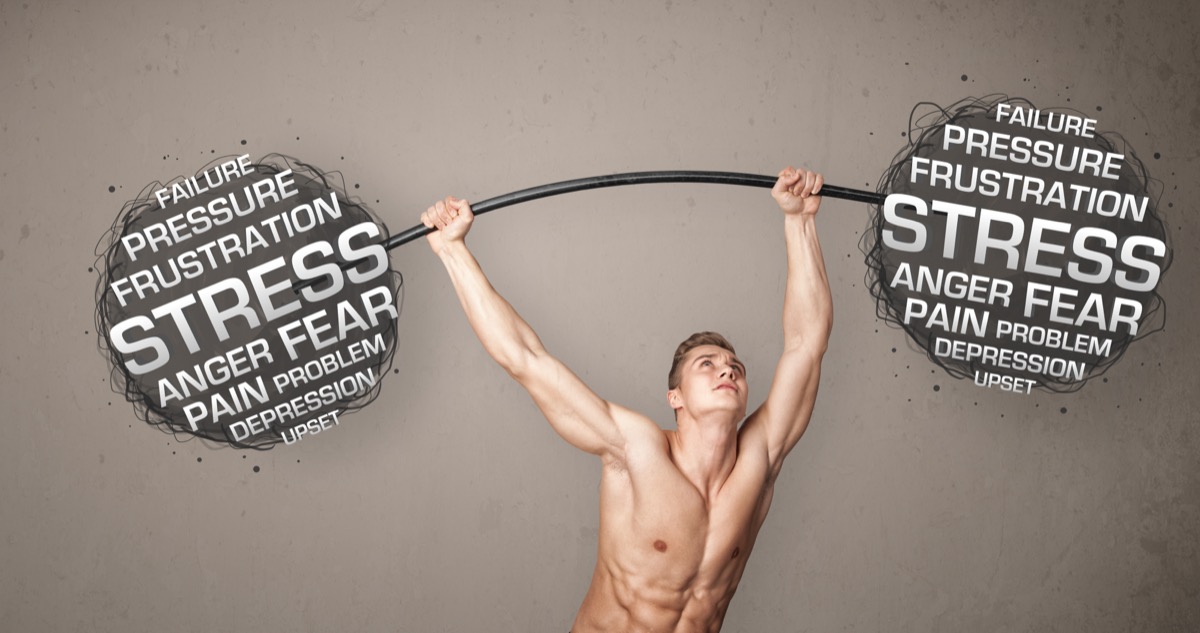
In Northwest Arkansas's fast-paced environment, from corporate relocations to demanding jobs at Walmart, Tyson Foods, and J.B. Hunt, stress is a common challenge. Stress Inoculation Training (SIT) offers a proven way to build resilience and manage overwhelming stress before it becomes a crisis.
Developed by psychologist Donald Meichenbaum in the 1980s, SIT is an evidence-informed treatment that "inoculates" you against stress: similar to how a vaccine protects against disease. At ZipHealthy, our licensed clinicians use SIT to help Bentonville, Rogers, Fayetteville, and Springdale residents manage anxiety, PTSD, workplace stress, and more.
Key Takeaways
- Stress inoculation training (SIT) builds resilience the way vaccines build immunity: graduated, manageable exposure plus coping skills.
- Meta-analytic evidence supports SIT for reducing performance anxiety and state anxiety.
- SIT is one of the treatments with controlled-trial support for PTSD, alongside prolonged exposure.
- The three phases (conceptualization, skills acquisition, application) map cleanly onto self-guided practice.
What is Stress Inoculation Training (SIT)?
Stress Inoculation Training is a cognitive-behavioral therapy approach that teaches people to cope with stressful situations before, during, and after they occur. Think of it as mental preparation: like an athlete trains before a big game, SIT prepares you to handle life's challenges.
SIT is effective for:
- Post-Traumatic Stress Disorder (PTSD) - Particularly combat veterans and trauma survivors (see our PTSD treatment guide)
- Anxiety disorders - Generalized anxiety, social anxiety, panic disorder (learn more about anxiety management)
- Work-related stress - Job pressure, burnout, workplace conflicts (see our work stress guide)
- Performance anxiety - Public speaking, test anxiety, athletic performance
- Medical procedures - Surgery anxiety, chronic pain management
- Anger management - Learning to control anger responses
- Life transitions - Major changes causing significant stress
"Stress Inoculation Training helps you become your own therapist by teaching skills you can use anywhere, anytime. It's about building long-term resilience, not just managing today's crisis."
Dr. Donald Meichenbaum, Developer of SIT
SIT Effectiveness: Research Outcomes
Over 40 years of research supports Stress Inoculation Training's effectiveness. Studies show SIT produces:
- 60-70% reduction in PTSD symptoms (Foa et al., 1991, Journal of Consulting and Clinical Psychology)
- Significant decreases in anxiety and stress levels
- Improved ability to handle future stressors
- Better emotional regulation and coping skills
- Results that last - skills remain effective long after treatment ends
Sources: Foa et al., 1991, Journal of Consulting and Clinical Psychology; Meichenbaum, 1996, Behavior Therapy
Build Resilience with Stress Inoculation Training
Evidence-Informed treatment for stress, anxiety, and PTSD. Learn coping skills that last a lifetime. Same-week appointments available.
Licensed Therapists • Evidence-Based Treatment • Proven Effective
The Three Phases of Stress Inoculation Training
SIT follows a three-phase model that progressively builds your ability to handle stress. Each phase prepares you for the next, creating a solid foundation of coping skills.
Phase 1: Conceptualization (Education Phase)
Goal: Understand your stress and develop a new perspective
In this first phase, you work with your therapist to:
- Identify your stressors: What situations, thoughts, or people trigger your stress response?
- Understand the stress response: Learn how your body and mind react to stress (fight, flight, or freeze)
- Recognize your current coping: What strategies do you use now? Which ones work? Which ones don't?
- Reframe your experience: See stress as a problem to solve rather than an overwhelming threat
This phase is similar to the psychoeducation component in Cognitive Behavioral Therapy (CBT). You learn that stress is a normal part of life, and that you can learn to manage it effectively.
Key Concept: The Transactional Model of Stress
You learn that stress is not just about the situation itself: it is about how you view it and whether you believe you can handle it. This realization is empowering: by changing your perspective and building skills, you can reduce stress even when circumstances do not change.
Phase 2: Skills Acquisition and Rehearsal
Goal: Learn and practice coping skills in a safe environment
This is the heart of SIT. You learn a variety of coping techniques across several areas:
Cognitive Skills
Techniques to change unhelpful thinking patterns:
- Cognitive restructuring: Challenge and replace negative thoughts (similar to techniques in Schema Therapy)
- Self-instruction: Develop positive self-talk for stressful moments ("I can handle this" instead of "This is too much")
- Perspective-taking: See situations from different angles
- Attention control: Focus on helpful aspects of a situation rather than threatening ones
Problem-Solving Skills
Practical strategies to address stressful situations:
- Define the problem clearly
- Generate possible solutions
- Evaluate options and choose the best approach
- Implement the solution and assess results (see our Problem-Solving Therapy guide)
Relaxation and Physiological Skills
Techniques to calm your body's stress response:
- Deep breathing exercises: Diaphragmatic breathing to activate the relaxation response
- Progressive muscle relaxation: Systematically tense and release muscle groups
- Mindfulness meditation: Stay present rather than worrying about the future (similar to ACT therapy approaches)
- Guided imagery: Use mental visualization for calm and confidence
Behavioral Skills
Actions to take in stressful situations:
- Communication skills: Assert yourself effectively without aggression
- Time management: Reduce stress from feeling overwhelmed
- Social support seeking: Reach out to others when needed
- Self-care behaviors: Exercise, sleep, nutrition, and activities you enjoy
Practice is essential: You do not just learn about these skills; you practice them repeatedly in therapy through role-plays, imagery exercises, and homework assignments. This rehearsal builds confidence before you face real stressors.
Phase 3: Application and Follow-Through
Goal: Use your skills in real-life situations and build lasting resilience
In this final phase, you apply your new skills to actual stressful situations in your life. This happens through:
Graduated Exposure
You gradually face increasingly challenging situations while using your SIT skills:
- Start small: Begin with mildly stressful situations
- Build confidence: As you succeed, tackle more challenging stressors
- Use all your skills: Apply cognitive, relaxation, and behavioral techniques together
- Review and adjust: Learn from each experience and refine your approach
This exposure component is similar to approaches used in treating anxiety disorders and PTSD.
Relapse Prevention
SIT includes planning for setbacks:
- Identify high-risk situations where you might struggle
- Develop specific coping plans for these scenarios
- Learn to view setbacks as learning opportunities, not failures
- Create a long-term maintenance plan
Building a Stress-Resistant Lifestyle
The ultimate goal of SIT is to integrate stress management into your daily life:
- Regular practice of relaxation techniques
- Ongoing use of cognitive restructuring
- Maintaining social connections and support systems
- Continuing self-care behaviors
- Regular self-assessment and adjustment
How SIT Differs from Other Therapies
| Stress Inoculation Training (SIT) | Other Approaches |
|---|---|
| Preventive and proactive - builds resilience before crises | Often reactive - addresses problems after they occur |
| Comprehensive skill-building across multiple domains | May focus on single approach (cognitive only, relaxation only) |
| Structured three-phase model with clear progression | May be less structured or systematic |
| Emphasizes rehearsal and application to real life | May rely more on insight or discussion |
| Teaches you to be your own therapist | May create ongoing dependence on therapist |
| Time-limited (8-15 sessions typically) | Often longer-term or open-ended |
| Combines cognitive, behavioral, and emotional strategies | May use single therapeutic modality |
SIT for Specific Conditions in Northwest Arkansas
PTSD and Trauma
SIT is particularly effective for PTSD, especially for individuals who do not want to do detailed trauma processing (as in EMDR or TF-CBT). Instead, SIT focuses on:
- Managing trauma-related anxiety and hypervigilance
- Coping with trauma triggers in daily life
- Reducing avoidance behaviors
- Building confidence in handling distress
Workplace Stress
Many Northwest Arkansas residents face high-pressure corporate environments. SIT helps with:
- Managing demanding workloads and deadlines
- Handling difficult colleagues or supervisors
- Coping with job insecurity or organizational changes
- Preventing burnout while maintaining performance
- Work-life balance challenges (see our workplace stress guide)
Relocation Stress
With Bentonville, Rogers, and Fayetteville seeing significant growth from corporate relocations, many families experience relocation stress. SIT addresses:
- Adjusting to a new community and culture
- Managing family stress during transitions
- Building new support networks
- Balancing new job demands with personal needs
- Helping children adapt to new schools (read about relocation stress in NWA)
Performance and Test Anxiety
SIT effectively reduces anxiety related to:
- Public speaking and presentations
- Athletic performance
- Academic exams and evaluations
- Job interviews and career advancement
- Musical or artistic performances
Corporate Wellness & Executive Services
We provide SIT training for teams and executives. Reduce workplace stress, improve performance, and build resilient organizations.
Wondering if Therapy Could Help?
Free 15-minute consultation · Same-week appointments · Most insurance accepted
Not sure yet? Take our free 2-minute stress check-in
What to Expect: SIT Treatment at ZipHealthy
Assessment and Planning (Sessions 1-2)
Your therapist will:
- Conduct a detailed stress and trauma assessment
- Identify your specific stressors and triggers
- Evaluate your current coping strategies
- Assess for any co-occurring conditions (depression, anxiety, substance use)
- Develop a customized SIT treatment plan
Treatment Phase (Sessions 3-12)
Most clients complete SIT in 8-15 sessions. Each session typically includes:
- Review: Discuss homework and recent stressful experiences
- Skill training: Learn new coping techniques
- Practice: Role-play or rehearse skills in session
- Application planning: Identify opportunities to use skills before next session
- Homework: Practice exercises and apply skills to real situations
Follow-Up and Maintenance (Sessions 13+)
After core skills are learned, you may have:
- Booster sessions to maintain progress
- Check-ins during high-stress periods
- Refresher training on specific skills
- Support for new stressors or challenges
SIT Techniques You'll Learn
Self-Talk Strategies
Learn to use positive self-statements during four stages of a stressful situation:
- Preparing for stress: "I have a plan. I know what to do."
- Confronting stress: "I can handle this. One step at a time."
- Coping with overwhelming feelings: "This feeling will pass. Breathe and relax."
- After the stressor: "I did it! I can learn from this experience."
The Relaxation Response
Master deep breathing techniques for immediate stress relief:
- Breathe in slowly through your nose for 4 counts
- Hold your breath for 4 counts
- Exhale slowly through your mouth for 6 counts
- Pause for 2 counts
- Repeat 5-10 times
This technique activates your body's natural relaxation response, reducing heart rate, blood pressure, and muscle tension. Similar approaches are used in DBT's distress tolerance skills.
Cognitive Restructuring Steps
Challenge and change stress-producing thoughts:
- Identify the thought: What am I telling myself?
- Examine the evidence: Is this thought accurate? Am I jumping to conclusions?
- Consider alternatives: What are other ways to view this situation?
- Choose a helpful thought: What perspective would reduce my stress and help me cope?
- Practice the new thought: Repeat it until it becomes natural
Real-World Applications: SIT in Northwest Arkansas
Client Success Story: Michael (Composite)
Background: Michael, 42, relocated from California for a VP position at a Bentonville corporation. He experienced panic attacks, sleep problems, and constant worry about performance.
SIT Treatment:
- Phase 1 (Sessions 1-3): Michael learned his stress stemmed from perfectionism, fear of failure, and lack of work-life boundaries. He realized his "all or nothing" thinking made stress worse.
- Phase 2 (Sessions 4-9): Michael learned deep breathing, progressive muscle relaxation, cognitive restructuring, time management, and assertive communication. He practiced these extensively in and out of sessions.
- Phase 3 (Sessions 10-13): Michael applied his skills to presentations, difficult meetings, and work-life balance challenges. He gradually took on more responsibility while managing stress effectively.
Outcome: Michael's panic attacks stopped after 7 weeks. He reported, "I still have stressful days, but now I have tools to handle them. I feel in control rather than overwhelmed."
Client Success Story: Jennifer (Composite)
Background: Jennifer, 29, a teacher in Rogers, experienced severe anxiety about classroom management and parent conferences following a difficult incident with a student.
SIT Treatment:
- Phase 1: Jennifer identified triggers (parent meetings, disruptive students) and recognized her avoidance was making anxiety worse.
- Phase 2: Jennifer learned relaxation techniques, helpful self-talk, and effective communication strategies. She practiced role-playing difficult conversations.
- Phase 3: Jennifer gradually faced feared situations, starting with brief parent emails and building to in-person conferences. She used her SIT skills before, during, and after each situation.
Outcome: Jennifer's confidence improved significantly. She reported using her skills daily and felt prepared to handle future challenges. Her anxiety decreased by 70% on standardized measures.
SIT vs. Other Stress Management Approaches
SIT vs. Standard CBT
- SIT: Emphasizes prevention and skill-building for future stressors
- CBT: Often focuses more on current problems and symptoms (learn about traditional CBT)
SIT vs. EMDR
- SIT: Skills-focused, does not require detailed trauma processing
- EMDR: Uses bilateral stimulation to process traumatic memories (see our EMDR guide)
SIT and Medication
SIT teaches lasting cognitive, behavioral, and problem-solving skills. If your medical provider has prescribed medication, SIT can be delivered alongside any prescriber-managed regimen. ZipHealthy clinicians are LCSW psychotherapists who deliver SIT; we do not prescribe or manage medications, but we are happy to coordinate with your prescriber as part of an integrated plan.
Finding SIT Therapy in Bentonville and Northwest Arkansas
When seeking Stress Inoculation Training, look for therapists who:
- Have training in CBT: SIT is based on cognitive-behavioral principles
- Are licensed mental health professionals: LCSW, LPC, LMFT, or psychologists
- Have experience with trauma and stress disorders: Particularly PTSD and anxiety
- Use evidence-informed practices: Follow the SIT protocol systematically
- Provide skills training: Not just talk therapy, but active skill-building
At ZipHealthy, our SIT-trained therapists serve Bentonville, Rogers, Fayetteville, Springdale, and all of Northwest Arkansas.
Frequently Asked Questions About SIT
How is SIT different from relaxation training alone?
While SIT includes relaxation techniques, it is much more comprehensive. SIT teaches cognitive, behavioral, and problem-solving skills along with relaxation. You learn when and how to use each skill for different situations.
Can SIT help with chronic stress or long-term problems?
Yes. SIT is excellent for chronic stress because it teaches skills you can use throughout your life. Many clients report using SIT skills years after treatment ends.
Do I need to have trauma to benefit from SIT?
No. While SIT was originally developed for trauma, it's effective for any kind of stress: workplace pressure, life transitions, performance anxiety, general anxiety, and everyday stressors.
How long does SIT take?
Most people complete SIT in 8-15 sessions. Complex trauma or severe anxiety may require more sessions. The structured nature makes it more time-efficient than many other therapies.
Can I do SIT via telehealth?
Yes. SIT translates well to telehealth because it is skills-focused rather than requiring in-person exposure exercises. This increases access for people across Northwest Arkansas. Learn more about our telehealth services.
Will I need to relive traumatic experiences?
No. Unlike some trauma therapies, SIT does not require detailed trauma processing or prolonged exposure to trauma memories. It focuses on building skills to manage current and future stress.
Ready to Build Stress Resilience?
Learn proven techniques to manage stress, anxiety, and life's challenges. Evidence-Informed Stress Inoculation Training from experienced clinicians.
Serving Bentonville, Rogers, Fayetteville, Springdale & all of Northwest Arkansas
Evening & weekend appointments • Telehealth available • Most insurance verified
References and Further Reading
Key Research Studies:
- Meichenbaum, D. (2007). Stress inoculation training: A preventative and treatment approach. In P. M. Lehrer, R. L. Woolfolk, & W. S. Sime (Eds.), Principles and practice of stress management (3rd ed., pp. 497-516). Guilford Press.
- Saunders, T., Driskell, J. E., Johnston, J. H., & Salas, E. (1996). The effect of stress inoculation training on anxiety and performance. Journal of Occupational Health Psychology, 1(2), 170-186.
- Meichenbaum, D. (1985). Stress inoculation training. Pergamon Press.
- Sheehy, K., & Horan, J. J. (2004). Effects of stress inoculation training for 1st-year law students. International Journal of Stress Management, 11(1), 41-55.
- Foa, E. B., & Rothbaum, B. O. (1998). Treating the trauma of rape: Cognitive-behavioral therapy for PTSD. Guilford Press.
Further Learning: Works by Donald Meichenbaum | International Society for Traumatic Stress Studies
Related Articles
- CBT Therapy: How Cognitive Behavioral Therapy Works
- CBT Worksheets: Practical Tools for Mental Health
- CBT for Depression: Evidence-Based Treatment
- ACT Therapy: Acceptance and Commitment Therapy Guide
- Individual Therapy Services (Service Page)
- Find a Therapist in Bentonville, AR (Comprehensive Guide)

Stephen Velasquez, MBA, MSW, LCSW

Build Your Stress Resilience
Ready to take the next step? Our licensed clinicians at ZipHealthy specialize in evidence-informed approaches that create lasting change. Schedule a consultation today to discuss how we can support your path forward.
What the Research Says
Stress inoculation training is one of the older, quietly well-supported cognitive-behavioral protocols. A meta-analysis of 37 studies in the Journal of Occupational Health Psychology found SIT effective in reducing performance anxiety and state anxiety while enhancing performance under stress[1], the use case most readers face: presentations, exams, high-stakes conversations.
Its clinical pedigree extends to trauma. In a randomized trial with female assault survivors, SIT was compared against prolonged exposure and supportive counseling; both active treatments outperformed the control condition for PTSD symptoms[2]. While prolonged exposure has since accumulated the larger trauma evidence base, SIT remains a recognized option in treatment guidelines, and its skills-first structure suits people who need stabilization before processing work.
The mechanism aligns with modern exposure science: confidence under stress grows through successful, graduated contact with stressors rather than avoidance[3]. The practice ladder in this article applies that principle. If you're using SIT concepts for clinical-level anxiety or trauma symptoms, research supports working with a licensed clinician who can pace the exposure appropriately.
References
- Saunders T, Driskell JE, Johnston JH, Salas E (1996). The effect of stress inoculation training on anxiety and performance. Journal of Occupational Health Psychology, 1(2), 170–186. https://doi.org/10.1037/1076-8998.1.2.170
- Foa EB, Dancu CV, Hembree EA, Jaycox LH, Meadows EA, Street GP (1999). A comparison of exposure therapy, stress inoculation training, and their combination for reducing posttraumatic stress disorder in female assault victims. Journal of Consulting and Clinical Psychology, 67(2), 194–200. https://doi.org/10.1037/0022-006X.67.2.194
- Craske MG, Treanor M, Conway CC, Zbozinek T, Vervliet B (2014). Maximizing exposure therapy: an inhibitory learning approach. Behaviour Research and Therapy, 58, 10–23. https://doi.org/10.1016/j.brat.2014.04.006
Citations link to the publisher of record via DOI. This article is educational and is not medical advice, diagnosis, or treatment; discuss your specific situation with a licensed clinician.
Build stress resilience...
Stress Management Toolkit
Stress journal, burnout assessment, boundary-setting scripts, progressive muscle relaxation guide, and a 30-day resilience challenge. The perfect complement to stress inoculation training.
Get the Toolkit: $24.99Instant PDF download · Designed by our licensed clinicians
For educational and personal development purposes. Not a substitute for professional therapy.