
When memory, attention, or clear thinking start to slip, it is frightening, for the person and for those who love them. Neurocognitive conditions, from mild cognitive impairment to the dementias, reflect real changes in the brain’s structure and chemistry. Understanding them helps families respond with the right care and the right support. Here is a clear overview, reviewed by a Licensed Clinical Social Worker.
Important: cognitive changes need a medical evaluation by a physician or neurologist; some causes are treatable or reversible (medications, thyroid, B12, depression, sleep). ZipHealthy provides therapy and support; this page is education and is not a substitute for a medical work-up.
What “neurocognitive” means
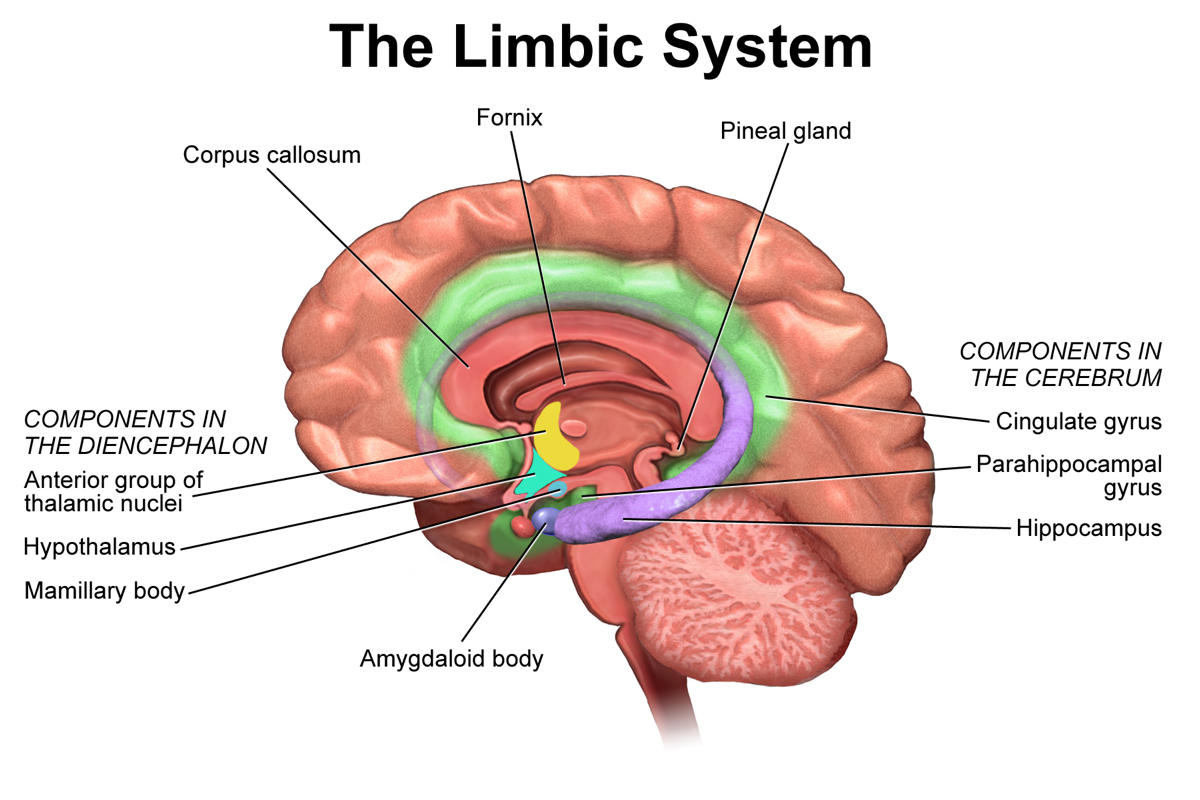
These conditions involve measurable decline in brain functions like memory, language, attention, and executive function, beyond normal aging. The hippocampus (memory formation) is often affected early in Alzheimer’s disease, while other dementias begin in different regions, producing different first symptoms (personality change, language, or movement).
Not all memory change is dementia
This matters: many causes of cognitive change are treatable or reversible, including depression (sometimes called “pseudodementia”), medication side effects, thyroid problems, vitamin deficiency, and poor sleep can all mimic dementia. That is exactly why a medical evaluation comes first: the cause determines the path.
Where therapy and support fit
While medical care leads, therapy and psychosocial support play a meaningful role, treating the depression and anxiety that often accompany cognitive change, helping people adjust and stay engaged, and supporting the caregivers who carry so much. Caregiver support is one of the most evidence-backed, life-changing interventions in this whole area.
What helps protect the brain
While no approach guarantees prevention, a large body of research links certain habits to better long-term brain health: regular physical activity (one of the strongest factors), quality sleep (when the brain clears waste), social and mental engagement, managing blood pressure, hearing, and cardiovascular health, and treating depression (itself a risk factor for cognitive decline). These are not just “lifestyle tips”; they act on the same vascular, inflammatory, and plasticity systems that influence cognition as we age. It is genuinely encouraging news: much of brain health is modifiable.
Caring for the caregiver
If you are supporting someone with cognitive decline, your well-being is not a luxury: it is part of the treatment plan. Caregiver stress, depression, and burnout are extremely common and directly affect the quality of care a loved one receives. Caregiver support (therapy, education, respite, and connection with others walking the same road) is one of the most evidence-backed interventions in this entire area, improving outcomes for the caregiver and the person they care for.
When to reach out
If you or a loved one notices persistent memory or thinking changes, start with a medical evaluation, and know that support for the emotional weight, for adjustment, and for caregivers is available too. Call (479) 259-1390 for a free 15-minute consultation.
Frequently asked questions
Is forgetfulness always a sign of dementia?
No. Occasional forgetfulness is common and often not dementia. Persistent or worsening changes in memory, language, or judgment warrant a medical evaluation, partly because some causes are treatable.
Can any causes of cognitive change be reversed?
Yes: depression, medication effects, thyroid issues, vitamin deficiencies, and sleep problems can mimic dementia and are often treatable, which is why a work-up matters.
How can therapy help if the condition is medical?
Therapy treats the depression and anxiety that frequently accompany cognitive change, supports adjustment and engagement, and, importantly, supports caregivers, which improves outcomes for everyone.
References
- National Institute on Aging (NIA). Alzheimer’s & Dementia. nia.nih.gov
- National Institute on Aging (NIA). Memory, Forgetfulness, and Aging. nia.nih.gov
- MedlinePlus, U.S. National Library of Medicine. Dementia. medlineplus.gov