


When seeking mental health support, you may encounter a variety of professional titles that can seem confusing. Understanding the differences between mental health professions helps you make informed decisions about your care and find the right provider for your needs.
The mental health field includes professionals with diverse educational backgrounds, training experiences, and scopes of practice. From Licensed Professional Counselors to Psychiatrists, each type of provider brings unique expertise to the therapeutic relationship. This guide will help you understand what each title means and how these professionals can support your mental health journey.
Licensed Professional Counselors (LPCs)
Licensed Professional Counselors are mental health professionals who have earned a master's degree in counseling or a closely related field. Their training emphasizes practical counseling skills and therapeutic techniques that help individuals, couples, and families navigate life's challenges.
Education and Training
- Master's degree in counseling, typically requiring 60 graduate credit hours
- Supervised clinical experience of 2,000-4,000 hours depending on the state
- National certification exam such as the NCE (National Counselor Examination)
- Continuing education requirements to maintain licensure
Scope of Practice
LPCs provide talk therapy and counseling services for a wide range of mental health concerns. They can diagnose mental health conditions, develop treatment plans, and provide evidence-based therapies such as Cognitive Behavioral Therapy (CBT), EMDR, and solution-focused brief therapy. LPCs cannot prescribe medication but often collaborate with psychiatrists or physicians when medication may be beneficial.
At ZipHealthy
Our team includes Licensed Professional Counselors who specialize in anxiety, depression, trauma, relationship issues, and life transitions. Call (479) 259-1390 to learn more about our counselors and their areas of expertise.
Clinical Social Workers (LCSWs)
Licensed Clinical Social Workers combine mental health expertise with a broader understanding of social systems and community resources. Their training emphasizes the connection between individual well-being and social environment.
Education and Training
- Master's degree in Social Work (MSW) from an accredited program
- Supervised clinical hours typically ranging from 2,000-4,000 hours
- Clinical licensing exam administered by the ASWB (Association of Social Work Boards)
- Field placements in diverse settings during graduate training
Scope of Practice
LCSWs provide psychotherapy, mental health assessments, and crisis intervention services. They excel at connecting clients with community resources and navigating complex systems such as healthcare, housing, and social services. Like LPCs, they cannot prescribe medication but work collaboratively with prescribing providers when needed.
The best mental health professional for you is one whose expertise matches your specific needs and with whom you feel comfortable building a therapeutic relationship.
School Psychologists
School Psychologists specialize in the educational setting, focusing on how learning, behavior, and mental health intersect in children and adolescents. They work primarily within school systems to support student success.
Education and Training
- Specialist-level degree (Ed.S.) or doctoral degree in school psychology
- Graduate coursework in child development, learning theory, assessment, and intervention
- Year-long internship in a school setting
- State certification or licensure for practice in schools
Scope of Practice
School Psychologists conduct psychological and educational assessments, identify learning disabilities, develop intervention plans, and provide counseling to students. They consult with teachers and parents, contribute to special education evaluations, and help create supportive school environments. Their practice is typically limited to educational settings and minors.
Clinical Psychologists
Clinical Psychologists hold doctoral degrees and receive extensive training in psychological assessment, research, and therapy. They are experts in understanding human behavior and mental processes.
Wondering if Therapy Could Help?
Free 15-minute consultation · Same-week appointments · Most insurance accepted
Not sure yet? Take our free 2-minute well-being check-in
Education and Training
- Doctoral degree (Ph.D. or Psy.D.) in clinical psychology, typically 5-7 years of graduate study
- Predoctoral internship of at least one year
- Postdoctoral supervised experience of 1-2 years in many states
- EPPP examination (Examination for Professional Practice in Psychology)
Scope of Practice
Clinical Psychologists provide comprehensive psychological assessments, including IQ testing, personality assessments, and neuropsychological evaluations. They offer psychotherapy for complex mental health conditions and often specialize in specific disorders or populations. In most states, clinical psychologists cannot prescribe medication, though a few states have granted prescriptive authority to specially trained psychologists.
Counseling Psychologists
Counseling Psychologists also hold doctoral degrees but with a training emphasis on healthy development, life transitions, and adjustment issues rather than severe psychopathology.
Education and Training
- Doctoral degree (Ph.D. or Ed.D.) in counseling psychology
- Supervised practicum and internship experiences
- Research training and often a dissertation requirement
- State licensure as a psychologist
Scope of Practice
Counseling Psychologists work with individuals experiencing normal life stressors, career transitions, relationship issues, and adjustment difficulties. They provide individual and group therapy, vocational counseling, and psychological assessment. Their approach tends to focus on strengths and healthy functioning rather than pathology.
Psychiatrists
Psychiatrists are medical doctors who specialize in mental health. Their medical training uniquely positions them to understand the biological aspects of mental illness and prescribe medication.
Education and Training
- Medical degree (M.D. or D.O.) requiring four years of medical school
- Psychiatry residency of four years following medical school
- Board certification through the American Board of Psychiatry and Neurology
- Optional fellowship training in subspecialties such as child psychiatry or addiction psychiatry
Scope of Practice
Psychiatrists can prescribe and manage psychiatric medications, conduct comprehensive psychiatric evaluations, and provide psychotherapy. They are essential for treating conditions that may require medication, such as severe depression, bipolar disorder, schizophrenia, and ADHD. Many psychiatrists focus primarily on medication management and work collaboratively with therapists who provide ongoing psychotherapy.
When to See a Psychiatrist
Consider consulting a psychiatrist if you may benefit from psychiatric medication, have a complex or treatment-resistant condition, or need a comprehensive psychiatric evaluation. Your therapist at ZipHealthy can help coordinate care and provide referrals when appropriate.
Choosing the Right Professional
With so many options available, how do you decide which mental health professional is right for you? Consider these factors when making your decision.
Consider Your Needs
- Therapy only: LPCs, LCSWs, or psychologists are excellent choices for talk therapy
- Medication evaluation: Psychiatrists or psychiatric nurse practitioners can assess medication needs
- Psychological testing: Clinical psychologists specialize in comprehensive assessments
- Child or adolescent concerns in school: School psychologists can address educational and behavioral issues
- Social services navigation: LCSWs excel at connecting you with community resources
What Matters Most
Research consistently shows that the therapeutic relationship is one of the strongest predictors of positive outcomes in therapy. While credentials matter, finding a provider you trust and feel comfortable with is equally important. Many people start with a therapist (LPC, LCSW, or psychologist) and add a psychiatrist if medication becomes appropriate.
All mental health professionals share a common goal: helping you achieve better mental health and improved quality of life.
Getting Started with ZipHealthy
At ZipHealthy, our team of licensed mental health professionals is ready to support your journey toward wellness. We take time to understand your unique needs and match you with a therapist whose expertise aligns with your goals.
Whether you are dealing with anxiety, depression, relationship challenges, or life transitions, we are here to help. Call us at (479) 259-1390 to schedule your free 15-minute consultation and take the first step toward better mental health.
Ready to Take the Next Step?
Free 15-minute consultation · Same-week appointments · Most insurance accepted
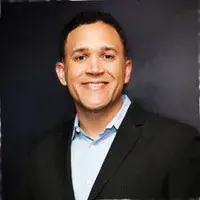
Stephen Velasquez, MBA, MSW, LCSW

Find the Right Kind of Support
Ready to take the next step? Our licensed clinicians at ZipHealthy specialize in evidence-informed approaches that create lasting change. Schedule a consultation today to discuss how we can support your path forward.
Start your wellness journey...
Anxiety Management Toolkit
Clinician-designed worksheets, grounding exercises, coping strategy cards, and a guided audio track. Tools inspired by the exercises used in our clinical practice.
Get the Toolkit: $34.99Instant PDF download · Designed by our licensed clinicians
For educational and personal development purposes. Not a substitute for professional therapy.