
Autism is not a disease to be cured: it is a different way the brain is wired to perceive, process, and connect with the world. Understanding the autistic brain replaces deficit-thinking with something more accurate and respectful: a brain with a distinct profile of strengths and challenges. Here is a neurodiversity-affirming overview, reviewed by a Licensed Clinical Social Worker.
A differently wired brain
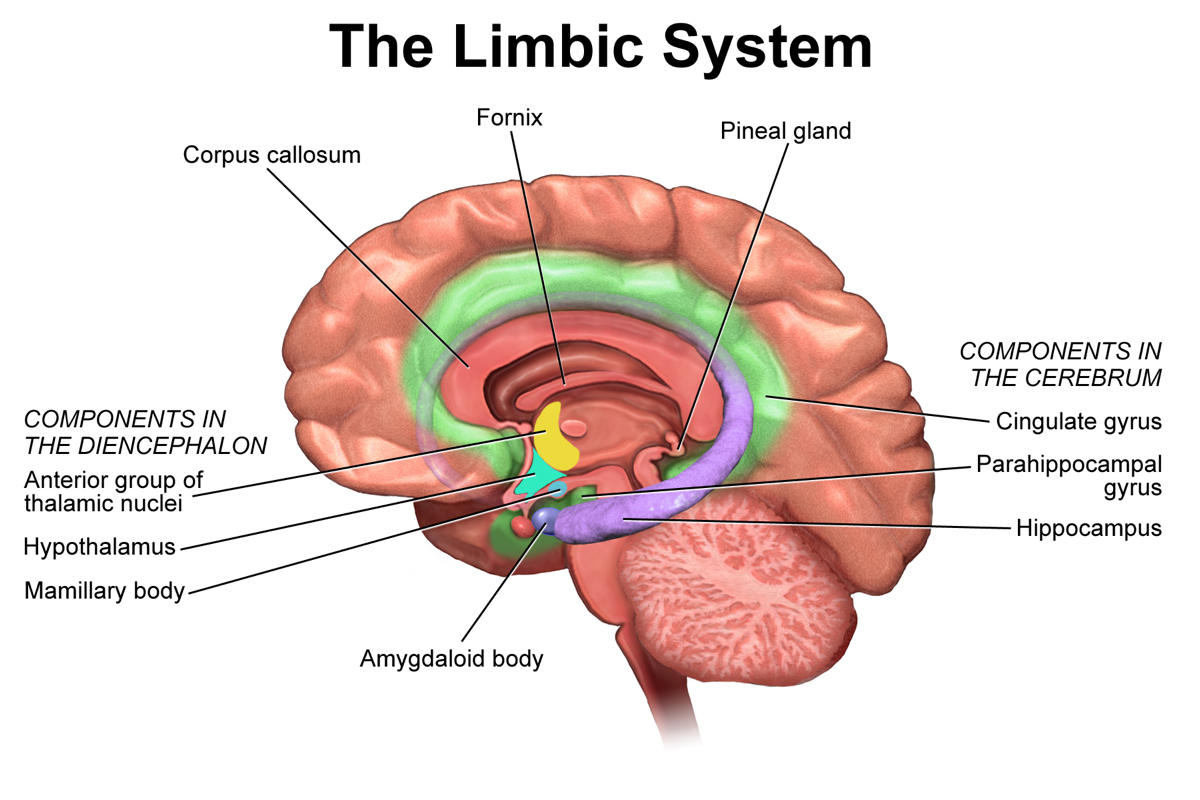
Autism is a neurodevelopmental difference present from early life. Research points to differences in how brain regions connect and communicate, often more intense local processing and different long-range connectivity. The practical result is a brain that may perceive sensory detail vividly, focus deeply on areas of interest, and process social and sensory information differently than a neurotypical brain.
Strengths and challenges, together
The same wiring brings real strengths (deep focus, pattern recognition, honesty, attention to detail, and expertise in areas of passion) alongside genuine challenges with sensory overwhelm, social-communication differences, and a strong need for predictability. Neither side cancels the other; both are part of the profile.
The myth
Autism is a disorder to fix, and autistic people lack empathy.
What the science says
Autism is a lifelong neurodevelopmental difference. Many autistic people feel emotion and empathy deeply: they may simply express or process it differently. The goal of support is thriving, not “normalizing.”
How support helps (without trying to “cure”)
Affirming support focuses on fit and well-being: building on strengths, developing communication and coping strategies that work with an autistic brain, managing sensory needs, and treating the anxiety or depression that often come from navigating a world not built for you. For many autistic adults, simply understanding their own brain is itself transformative.
Masking, burnout, and late identification
Many autistic people, especially women and those identified later in life, learn to mask: consciously suppressing natural responses and mimicking neurotypical behavior to fit in. Masking can be effective socially, but it is exhausting, and sustained over years it contributes to autistic burnout: deep depletion, loss of skills, and heightened sensory sensitivity. This is one reason so many autistic adults are identified only after a crisis, a child’s diagnosis, or burnout itself. Recognizing the cost of masking (and building a life with more authentic, accommodated space) is often more important than any attempt to “perform” neurotypically.
The sensory world
Sensory processing differences are central to the autistic experience and often underestimated. Lights, sounds, textures, and crowds that others filter out can be genuinely overwhelming to a brain that processes sensory detail more intensely. Understanding and accommodating these needs, rather than pushing through them, prevents overload and is a foundation of well-being. Affirming support helps a person understand their own sensory profile and design a life that fits it.
When to reach out
Whether you are exploring whether you might be autistic, recently identified, or supporting an autistic loved one, affirming therapy can help with self-understanding, coping, and the co-occurring anxiety or depression that are common. Call (479) 259-1390 for a free 15-minute consultation.
Frequently asked questions
Is autism a mental illness?
No. Autism is a neurodevelopmental difference, not an illness. However, autistic people experience higher rates of anxiety and depression, often from navigating an unaccommodating world, and those are very treatable.
Do autistic people lack empathy?
No. Many autistic people feel empathy intensely; they may process or express it differently. The stereotype is inaccurate and harmful.
Can adults be autistic without knowing?
Yes. Many autistic adults, especially those who learned to mask, are identified later in life, often after a child’s diagnosis or during burnout. Self-understanding can be profoundly helpful.
References
- Centers for Disease Control and Prevention. About Autism Spectrum Disorder. cdc.gov
- National Institute of Mental Health (NIMH). Autism Spectrum Disorder. nimh.nih.gov
- MedlinePlus, U.S. National Library of Medicine. Autism Spectrum Disorder. medlineplus.gov