
Trauma is not a weakness of character, and it is not “all in your head” in the dismissive sense. It is a real, physical imprint left on the brain’s threat-and-memory systems by an overwhelming experience. Understanding that imprint explains the most confusing parts of trauma (the flashbacks, the hypervigilance, the way the past keeps feeling present) and why trauma-focused therapy works. Here is the neuroscience, reviewed by a Licensed Clinical Social Worker.
A threat system stuck on high alert
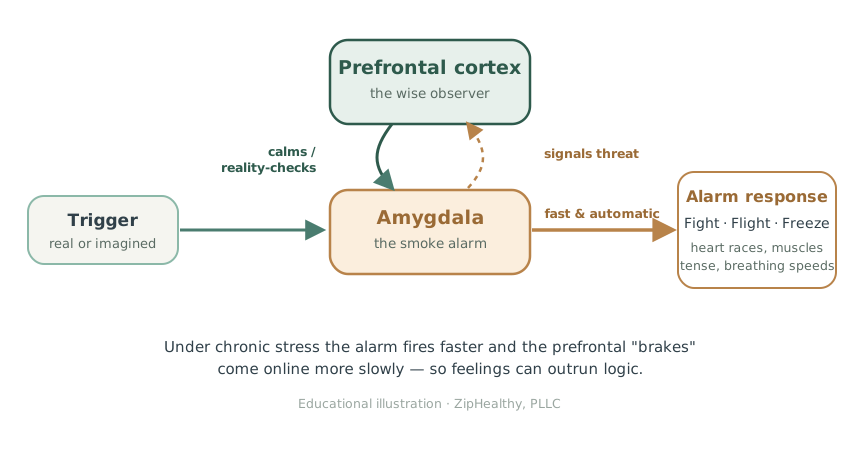
At the center of trauma is the amygdala: the brain’s threat detector. After trauma, it becomes sensitized: it fires faster, louder, and at smaller cues, as if permanently braced for the danger to return. Meanwhile the prefrontal cortex, which normally calms the alarm, becomes less able to apply the brakes. The result is hypervigilance, startle, irritability, and a body that stays ready to fight or flee.
Why the past keeps feeling present
The strangest part of trauma is how a memory can feel like it is happening now. The reason lives in the hippocampus, which normally files experiences with a time-and-place stamp (“that happened, in the past, and it’s over”). During overwhelming stress, that filing system is disrupted, so traumatic memories are stored in fragments: raw images, sounds, and sensations without the “this is over” tag. When a reminder appears, the fragment replays as a flashback that feels current, not remembered.
The body keeps the score
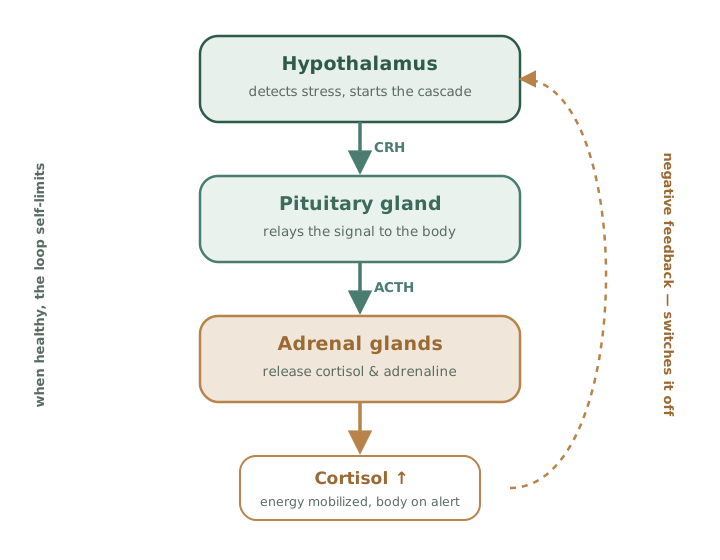
Trauma also dysregulates the HPA axis, the stress-hormone system, leaving the body cycling between hyperarousal (anxious, on edge, unable to sleep) and shutdown (numb, foggy, disconnected). This is why trauma is felt in the body (tension, exhaustion, a pounding heart) and why effective trauma therapy works with the nervous system, not just thoughts.
“Why can’t I just move on?”
The myth
Trauma is in the past, so you should be able to put it behind you by choosing to. Still struggling means you’re weak.
What the science says
Trauma physically changes how the brain stores the memory and runs the alarm. You can’t will those circuits to update any more than you can will a wound to close faster, but the right therapy can help them heal.
The brain can heal, and that’s what trauma therapy does
Because the brain is plastic, traumatic memories can be reprocessed and the alarm re-calibrated. Trauma-focused therapies do exactly this: EMDR and trauma-focused CBT help the brain finally file the memory as past, while teaching the nervous system that the present is safe. Over time the amygdala settles and the prefrontal cortex regains the brakes.
The four ways trauma shows up
PTSD’s symptoms map onto the brain changes above and cluster into four groups:
Re-experiencing
Flashbacks, nightmares, intrusive memories: the un-filed memory replaying as if present (hippocampus + amygdala).
Avoidance
Steering clear of reminders, places, or feelings: the brain trying to prevent the alarm from firing.
Mood & thinking changes
Numbness, guilt, negative beliefs, loss of interest: the nervous system in protective shutdown.
Hyperarousal
Startle, irritability, trouble sleeping, always scanning: the sensitized amygdala on permanent guard.
The “window of tolerance”
A useful way to picture trauma’s effect is the window of tolerance: the zone where you feel alert but calm enough to think clearly. Trauma narrows that window, so smaller bumps push you out: up into hyperarousal (panic, anger, overwhelm) or down into hypoarousal (numb, foggy, shut down). Much of trauma therapy is, quite literally, widening this window, teaching the nervous system to stay present and regulated through more of life. It is also why grounding and body-based skills sit alongside processing the memory itself.
Trauma also isn’t only about single, dramatic events. Complex trauma (repeated or prolonged experiences, often early in life) can shape these same systems even more deeply, and it responds to the same principles of safety, regulation, and reprocessing.
When to reach out
If a past event still intrudes on your present (through flashbacks, nightmares, avoidance, or feeling constantly on guard), that is the trauma imprint, and it responds to treatment. Consider a private PTSD self-check (PCL-style) or learn about trauma treatment options. Our team offers a free 15-minute consultation in Bentonville or by telehealth across Arkansas: call (479) 259-1390. If you are in crisis, call or text 988.
Frequently asked questions
Does trauma physically change the brain?
Yes: research shows changes in amygdala reactivity, hippocampal memory processing, and prefrontal regulation. Crucially, these changes are not permanent; trauma-focused therapy is associated with measurable recovery in these systems.
Why do I react to small things that shouldn’t bother me?
A sensitized amygdala generalizes: it treats cues that merely resemble the original threat (a sound, a smell, a tone of voice) as danger, triggering the full alarm before you consciously decide anything.
Do I have to talk about the details to heal?
Not necessarily. Modern trauma therapies like EMDR help the brain reprocess memories without requiring you to narrate every detail. A good trauma therapist works at a pace your nervous system can tolerate.
Can trauma from long ago still be treated?
Yes. Because the brain remains plastic throughout life, trauma from years or decades ago can still be reprocessed and healed.
Put it into practice
Resilience & Recovery Companion Toolkit
Grounding exercises, safety planning, and evidence-informed recovery tools created by a trauma-informed licensed therapist.
Get the Toolkit: $44.99Instant PDF download · Designed by a licensed clinician
For educational and personal development purposes. Not a substitute for professional therapy.
References
- National Institute of Mental Health (NIMH). Post-Traumatic Stress Disorder (PTSD). nimh.nih.gov
- U.S. Department of Veterans Affairs, National Center for PTSD. How Common is PTSD & PTSD Basics. ptsd.va.gov
- American Psychological Association. Trauma. apa.org
- MedlinePlus, U.S. National Library of Medicine. Post-Traumatic Stress Disorder. medlineplus.gov